
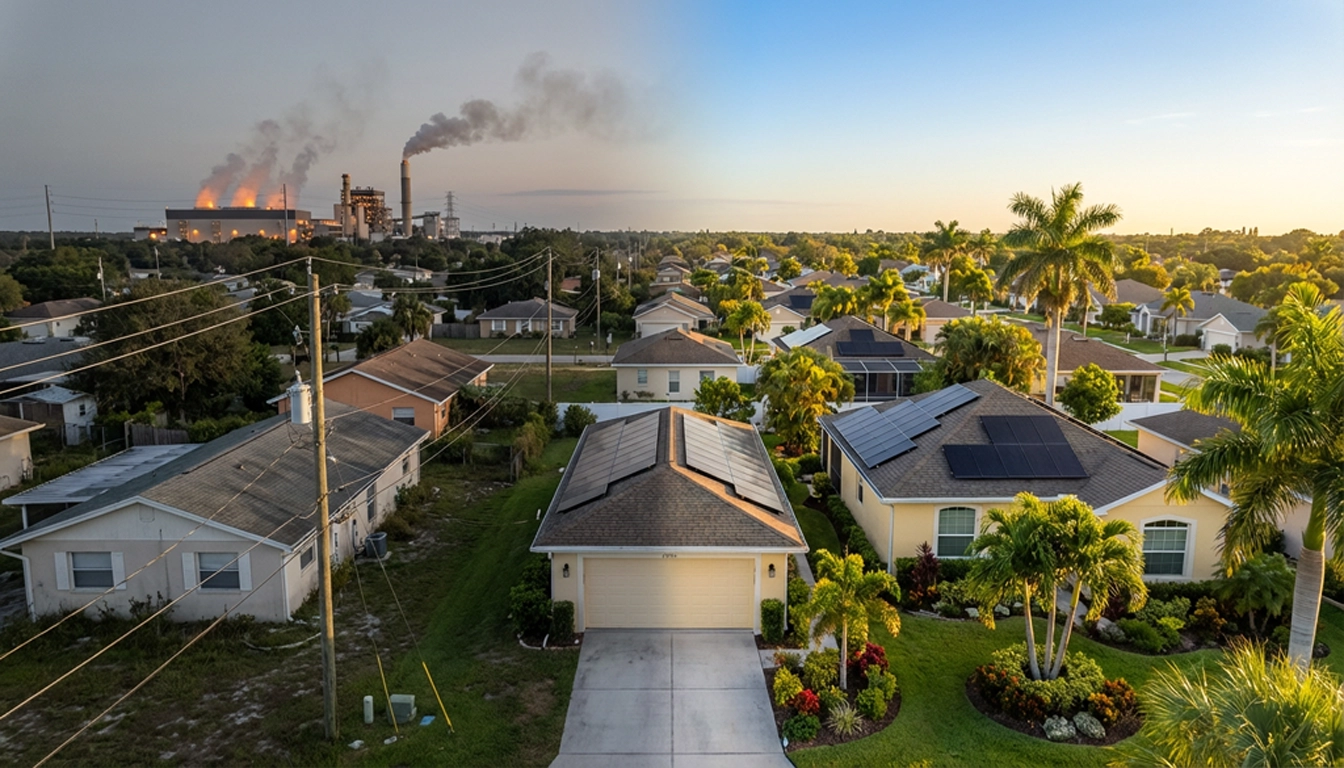
We do this because it implies many people are searching that inquiry and so Google will appreciate our attempt at answering it, and therefore send searchers to our site. This time it suggested the title of this post. Here is what AI says:
Yes, solar energy is widely considered the future of power, driven by plummeting costs, technological advancements (like perovskites & bifacial panels), increasing energy demand, and a global push for decarbonization, with projections showing it becoming a dominant electricity source by 2030-2035, powering everything from homes to vehicles and AI, despite land-use challenges.
Key Reasons Solar Is the Future:
Cost-Effectiveness:
Solar power costs have dropped dramatically (over 99% since 1970), making it economically competitive, with further reductions expected.
Technological Innovation:
New materials (perovskites), more efficient panel designs (bifacial), and better battery storage are boosting performance and versatility.
Environmental Imperative:
It’s crucial for reducing greenhouse gas emissions and combating climate change, helping meet clean energy goals.
Growing Demand:
Rising energy needs from electric vehicles (EVs) and electrification of buildings can be met by renewables like solar.
Grid Transformation:
Solar enables a more decentralized, resilient, and efficient grid, with potential to power clean fuels (hydrogen) and integrate into buildings and vehicles.
Abundant Resource:
The sun offers a virtually limitless, free energy source, with ample space for deployment in most countries.
Projections & Impact:
Major Electricity Source:
Solar is set to become the leading source of new electricity generation, potentially reaching 40-45% of U.S. supply by 2035/2050 in decarbonization scenarios.
Economic Growth:
Cheap, abundant solar energy promises to lower costs for consumers and businesses, spurring new industries and innovations.
Challenges:
While the outlook is strong, challenges like grid integration, energy storage needs, and land-use competition (e.g., with agriculture) require solutions as deployment scales up.
We agree with most of that. We will address a few of these key points.
“Cost effectiveness,” is really about what you compare it to. Yes, the technology gets better daily and the price is 99% less than it was fifty years ago. For us, looking at it from a prospective solar buyer’s perspective, what makes solar cost effective is how it compares to what the power companies are charging for electricity.
The national average rate per kWh is around 17 cents. The average in Florida runs 14-15 cents. Solar is 5-7 cents per kWh to create the same amount of electricity. That’s not just savings, that is significant savings with an ROI kicker.
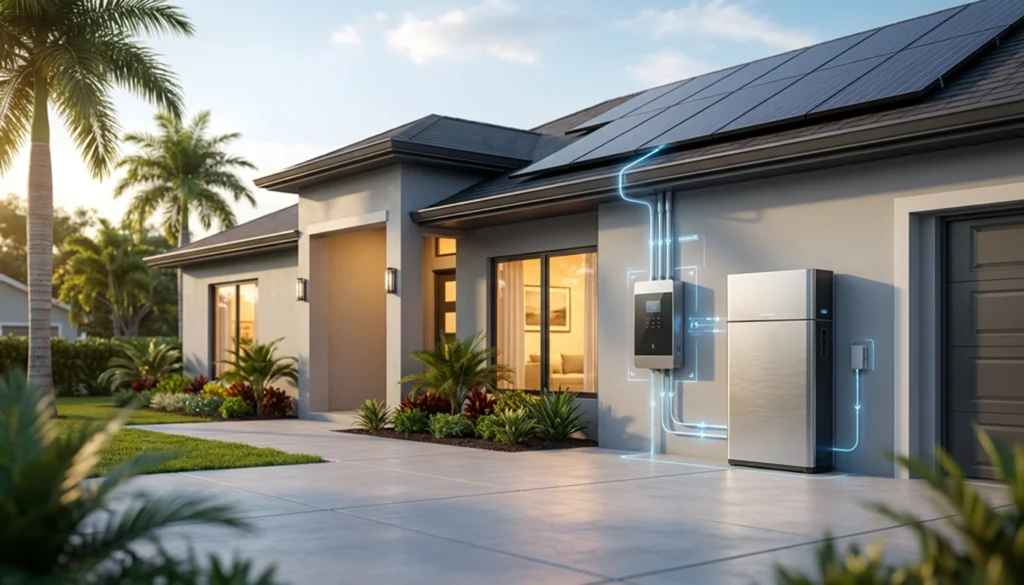
“Technological innovation,” is definitely a factor for why solar is the future. Without the big words, the efficiency of solar panels and batteries is growing almost as fast as the price is shrinking. Also, the lifespan of these components is getting longer and longer. Panel manufacturers are guaranteeing over 92% production after thirty years. Batteries have 8000 cycle warranties. You might think to wait and see what innovations will reveal themselves tomorrow, and that would make sense, except that they are already good enough and waiting until tomorrow will just cost you that much more.
“Environmental imperative,” is a little dramatic. We envy those that are firmly in one climate change camp or the other. We should be firmly in the go green save the world before we all drown camp because it helps our cause to market and sell solar, but we aren’t. We also are not in the climate change is a hoax propagated by the fearmongers camp.
Honestly, we don’t know who to believe. While some disparage the fossil fuel industry and show dead and/or sludge covered wildlife, measure glaciers, and ask, “How dare you!” others are pointing out that dead or broken solar panels are filling up landfills, calculate the environmental cost of transporting them, and associate the mining of the minerals with human rights violations. We watch this argument like a tennis match. There are solid points on both sides. Who’s right? We don’t know, but there are no smokestacks on solar panels, so there’s that.
“Growing demand,” is an understatement. Not just because of EV chargers. Over a thousand people (Net) move to Florida every day. Proposed sites for data centers for AI are popping up all over the state. The only way for a Florida resident to avoid what that kind of demand on an already shaky and aging grid will do to pricing and reliability is to go solar with batteries. Maybe we are missing something. We’d love to be enlightened as to how the grid is going to handle the coming influx of demand.
The final key point we will address here is “Challenges.” Grid integration and energy storage is something we handle for our customers every day. Land-use competition is a problem for large commercial applications and solar farms, not the residential consumer. Ideally, your solar will go on your roof and the batteries on the side of your home outside or in your garage. On occasion, if the roof will not work, panels can be placed on ground mounts in the yard. For the few residential properties that are just not solar eligible, sure, that can be called a land-use challenge.
The more homeowners who put solar on their home the easier it gets for the power companies to deal with the grid challenges they are facing. Every proper solar installation lessens the demand on the grid. We don’t think enough will make the switch before it becomes a real problem for Florida. The last statistic we read was that about 2500 Florida homes go solar every year. That will barely put a dent in the over 365,000 that move here permanently every year.
If you are not ready to accept that there will be at least expensive and at the most dangerous problems to deal with in the near future with energy in Florida, we would like to hear from you. Please educate us.
If you would like to know how to mitigate the risk for you and your family, please call us and let us educate you. The education is free and it includes how much it will cost for you to go solar and batteries as well as why that number will be less than you are going to pay for electricity if you don’t do something different.
As industry insiders we have looked at this from as many angles as we can think of. If we missed one, please let us know. It doesn’t matter if another contractor botched your install, if you overpaid, your interest rate is too high, you have to buy a roof soon, it is still going to cost less to go solar than continuing to pay your power bills to your power company. Solar is the future.